

Do Self-Adhesive Labels Burden the Environment
Label waste, liner and adhesive are the three pressure points. What recyclable liner, thinner face stock and water-based adhesive actually change.
Self-adhesive labels have become widely integrated into daily life and industrial production, ranging from food packaging and express delivery labels to industrial equipment identification and municipal facility tags, with their usage increasing year by year. As environmental awareness deepens, the impact of self-adhesive labels on the environment is gradually gaining attention - they are not simply an "environmental burden", but possess dual attributes of both negative impacts and positive environmental potential. This article delves into the core environmental impacts of self-adhesive labels from the perspective of the entire lifecycle of "production-use-disposal", and provides feasible directions for reducing pollution and enhancing efficiency.
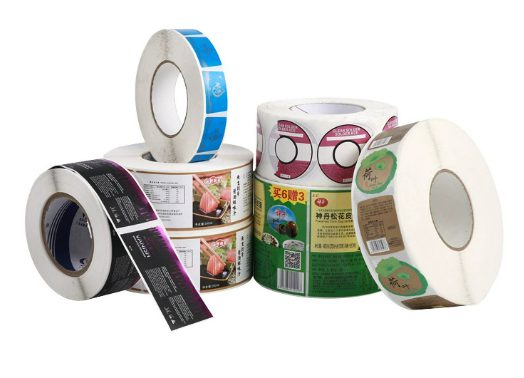
1. Negative impact: Environmental burden of traditional self-adhesive labels
Traditional self-adhesive labels, due to deficiencies in material selection, production processes, and waste disposal, primarily exert three types of negative impacts on the environment, focusing on resource consumption, pollution emissions, and waste management.
1. Production process: Resource consumption and pollutant emissions
- Excessive consumption of primary resources: Traditional self-adhesive label substrates (such as PET, PP, PVC films) rely heavily on petroleum-based primary plastics, and the adhesive layer and ink are primarily composed of chemically synthesized raw materials. The extraction and refining process of petroleum resources itself consumes a large amount of energy, produces carbon emissions, and exacerbates the greenhouse effect; if the paper substrate used in some labels comes from unsustainably managed forests, it can also disrupt the ecological balance.
- Harmful gas and wastewater emissions: In traditional production processes, the use of solvent-based inks and solvent-based pressure-sensitive adhesives releases a large amount of VOCs (volatile organic compounds). These gases not only pollute the air but also pose health hazards to production personnel. If the wastewater generated during printing and adhesive application is not treated to meet standards, it can carry pollutants such as ink residues and chemical additives, infiltrating into soil and water sources, thereby damaging aquatic ecosystems and soil fertility.
Typical scenario: When a small printing factory produces ordinary express delivery labels, it uses cheap solvent-based inks. The workshop lacks comprehensive VOC recovery equipment, resulting in direct exhaust emissions. The wastewater is discharged untreated, causing slight turbidity in the surrounding water bodies.
2. Waste disposal: Difficult degradation and recycling interference, exacerbating environmental pressure
- Long-term pollution from recalcitrant materials: Most traditional self-adhesive labels are composed of a "plastic substrate + chemical adhesive layer." These materials are difficult to degrade in the natural environment, with a degradation period lasting hundreds of years. If discarded carelessly (such as express delivery labels or food packaging labels), they can become white trash, polluting soil and water bodies, and may even be mistakenly ingested by wild animals, posing a threat to biological safety.
- Mixed material interference in the recycling system: Self-adhesive labels are mostly composite structures consisting of "substrate + adhesive layer + backing paper", and are often attached to packaging made of different materials (such as plastic bottles, cardboard boxes, and metal cans). During recycling, separating the label from the packaging material is challenging - for example, PVC labels attached to PET beverage bottles, if not peeled off, can lead to a decrease in the purity of the PET recycled material, resulting in downgrading or direct rejection; plastic labels attached to cardboard boxes can affect the pulping quality of paper recycling, increasing recycling costs.
- Microplastic pollution risk: Traditional plastic labels will gradually break down into microplastics in the natural environment (wind, sun, rain), which will enter the soil, water, and even accumulate through the food chain, ultimately affecting human health. This is a long-term environmental risk that is easily overlooked.
3. Special scenarios: Additional hazards posed by hazardous materials
Certain traditional self-adhesive labels for special purposes utilize harmful substrates such as PVC or inks containing heavy metals. When PVC materials are exposed to high temperatures or burn, they release toxic gases (such as dioxins) that pollute the air. If inks containing heavy metals are disposed of in landfills, the heavy metals can leach into the soil and groundwater, causing long-lasting soil and water pollution that is detrimental to crop growth and human health.
II. Positive Potential: Environmental Value of Sustainable Self-adhesive Labels
With the development of environmental protection technology, self-adhesive labels have gradually transitioned towards "greenification". Through material innovation and process optimization, they can not only reduce negative impacts but also generate positive environmental value, contributing to the dual carbon goals.
1. Environmentally friendly materials reduce resource consumption and pollution
- Biobased degradable materials: PLA and PBAT substrates made from renewable resources such as corn starch and sugarcane bagasse, combined with water-based degradable adhesives and plant-based inks, can be fully degraded (within 6-12 months) in natural environments or composting conditions, ultimately transforming into water, carbon dioxide, and organic matter, with no residual pollution; at the same time, it reduces dependence on petroleum resources and lowers carbon emissions in the production process.
- Recycling of renewable materials: Using recycled paper and recycled plastic as raw materials to produce recycled paper and recycled PET/PP substrates, achieving resource recycling and reuse, reducing the consumption of primary resources and the pressure on waste landfills. For example, recycled paper labels can reduce timber felling, and recycled PET labels can reduce plastic waste generation.
2. Green processes reduce production pollution
Self-adhesive labels utilizing solvent-free laminating technology and water-based printing processes emit no VOCs during production, thereby reducing air pollution at its source. The use of solvent-free adhesives and water-based inks also simplifies wastewater treatment and minimizes water pollution. These processes have been widely adopted in industries with high environmental protection requirements, such as food and beauty.
3. Optimize design to facilitate recycling and enhance resource utilization
- Recyclable label of the same material: The label substrate is consistent with the material of the attached packaging (such as PET bottles with PET labels, PP boxes with PP labels). During recycling, there is no need to peel off the label, which can be integrated into the recycling system, thereby enhancing the recycling utilization rate of packaging and reducing recycling interference.
- Peelable/Water-Soluble Labels: Peelable labels allow consumers to easily and completely remove them without leaving adhesive residue, ensuring no impact on packaging recycling. Water-soluble labels dissolve completely in water, making them ideal for scenarios requiring efficient recycling, such as beverage bottles, further reducing recycling costs.
4. Lightweight and long-lasting properties reduce waste generation
Lightweight labels (such as thin PET and PP substrates) reduce material consumption in production processes and carbon emissions during transportation; long-lasting weather-resistant labels (such as outdoor UV-resistant labels and industrial temperature-resistant labels) have a long service life, which can reduce the need for secondary labeling due to label damage, indirectly reducing waste generation.
III. How to reduce the environmental impact of self-adhesive labels? Practical suggestions
Both enterprises and individuals can reduce the negative impact of self-adhesive labels on the environment and amplify their positive value through targeted measures:
1. Enterprise side: Prioritize sustainable labeling solutions - opt for PLA/PBAT degradable and recycled material labels; adopt solvent-free, water-based eco-friendly processes; match packaging materials with recyclable or water-soluble labels of the same material; conduct sample testing before mass production to reduce production waste.
2. Recycling end: Establish clear guidelines for label recycling - indicate material information and recycling methods on the labels (such as "peelable recycling" or "same material recycling"); enterprises can collaborate with recycling organizations to establish a label-packaging collaborative recycling system, enhancing recycling efficiency.
3. Personal end: Ensure proper daily classification and separation - When handling packaging, try to separate labels from the packaging and place them into the corresponding recycling bins (e.g., plastic labels into plastic recycling bins, paper labels into paper recycling bins); avoid discarding express delivery labels, food labels, etc. at will to reduce the generation of white waste.
In summary, the impact of self-adhesive labels on the environment is not absolute; it primarily depends on material selection, production process, and disposal method. Traditional labels have negative impacts mainly concentrated in their difficulty to degrade, pollution emissions, and interference with recycling, whereas sustainable labels can achieve environmental value through resource recycling and green processes. In the future, as environmental protection technology further matures, self-adhesive labels will tend towards "greenification throughout their entire lifecycle." If companies need customized self-adhesive labels with low environmental impact, they can choose manufacturers that specialize in sustainable label research and development. For example, Xuzhou Huaishi will match degradable, recycled, or recyclable labels of the same material according to company needs, balancing environmental protection and performance. If you have related customization needs, please contact us to learn about specific solutions.