

Zero-added claims are out: what to change on a food label
From 16 March 2027 three labelling rules take effect together and zero-added claims are banned, with no sell-through transition for stock. Four things to change, one table, and how to work the redesign date backwards.
On 16 March 2027, GB 7718-2025, GB 28050-2025 and the Food Labelling Supervision Rules all take effect on the same day. Wording such as zero-added, no added or additive-free can no longer be printed to emphasise an ingredient, and there is no sell-through period. Artwork, packaging and stock have to be re-planned together.
Three dates worth writing down
1 December 2026: the Supervision Rules for Entrusted Food Production take effect. Private label, trademark licensing and made-to-order work all count as entrusted production, and both parties must report to the county-level regulator within ten working days of signing.
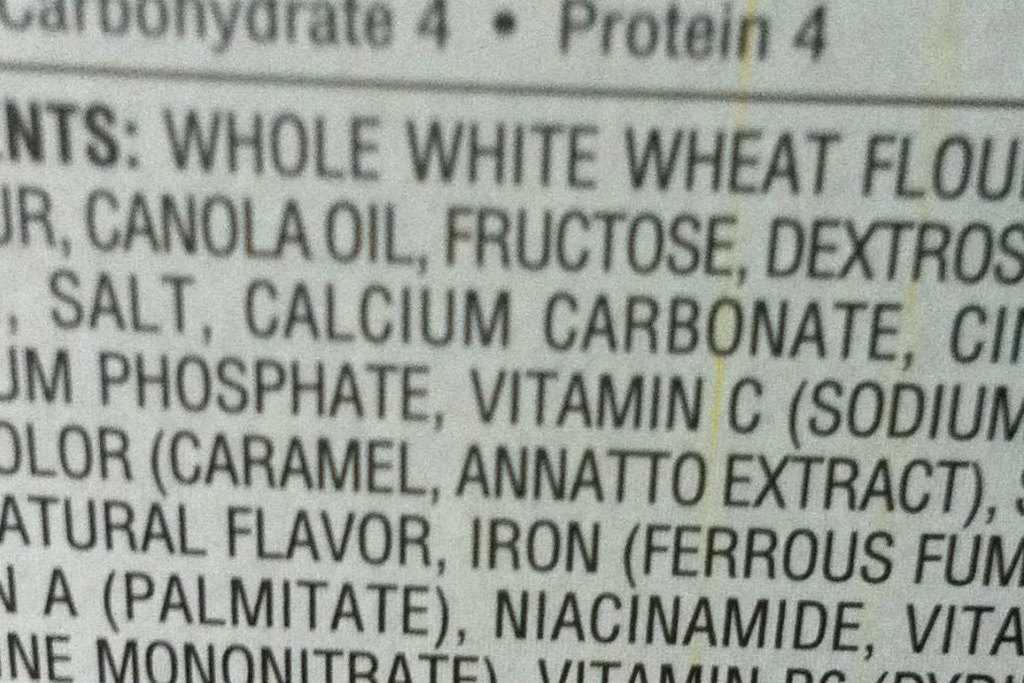
16 March 2027: the three labelling rules land together. Prepackaged food labels may not use no added, zero added or additive-free wording to single out an ingredient.
The same day, products carrying that wording lose the option of selling through to the end of shelf life. Finished stock and stock already in the channel must come off sale.
This is the part most often misread. A common assumption is that anything produced before the deadline can be sold down slowly. That batch is not covered.
Four places to change
The wording. Every zero preservatives or no added sugar line ahead of the ingredient list comes off. The ingredient list itself stays, stated plainly.
The layout. Once a line is removed, do not rush to fill the gap with a claim. Mandatory text has a minimum height: 1.8 mm is the floor, production and best-before dates are generally 3.0 mm, and small packs go to 2.0 mm.
The packaging. Count how many rolls of old labels and how many printed pouches are on hand, then convert that into months of sales. For slow-moving categories, packaging that cannot be used before March 2027 is scrap.
The digital label. A QR code can carry more information but cannot replace the mandatory items on the physical label.
Reference table
| Item | Requirement | What to do |
|---|---|---|
| Banned wording | No zero added, no added or additive-free emphasis on ingredients | Strip it from the artwork, all of it |
| Mandatory text height | Not less than 1.8 mm | Measure the current layout, redesign if short |
| Production and best-before dates | Generally 3.0 mm, 2.0 mm on packs under 35 cm2 | Separate area, black on white |
| Transition | Products with banned wording get no sell-through | Work the redesign date back from stock turnover |
| Entrusted production | Both parties report within ten working days | Sign supplementary agreements with private-label customers |
| Digital label | Extra information allowed, mandatory items stay on pack | Mark the words digital label beside the QR code |
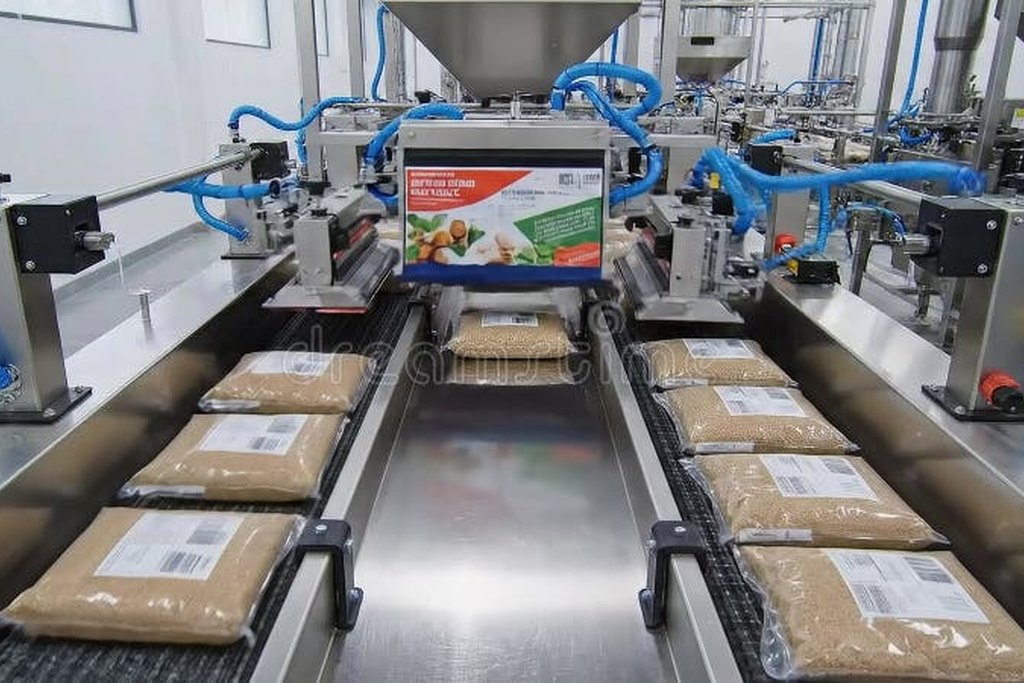
Channel stock falls outside the transition too, and clears on the same clock
Working the redesign date backwards
Start with stock. Divide the remaining rolls of old labels by monthly consumption to get the months left, then hold two months back for printing and transport.
Then set the redesign date. From 16 March 2027, allow 15 to 30 days for packaging production, 7 to 10 days for plates and proofs, and 5 to 7 days for customer sign-off. Worked backwards, artwork has to be final by the end of December 2026.
Finally, sort by category. Drinks and dairy turn fast and clear old packaging in two months. Condiments and canned goods may sit on one version for half a year. Those go first.
One more habit: where several products from one customer share a roll specification, redesign them together. Setup is charged per run, not per square metre.
Three details on the printing side
Removing a line leaves a gap, and the usual fix is to enlarge the ingredient list or move the nutrition panel across. Both work, but keep mandatory items off the trim edge. A margin under 3 mm is where the die cut starts eating type.
Do not scrap old label stock too quickly. Some of it can take a white flood coat and a new overprint, provided the adhesive and face stock survive a second pass. Test one roll first.
Artwork and printing are two separate costs. A redesign that changes artwork but keeps the process should cost less, and saying so up front tells the customer where the money went.
One reminder
The ban targets wording that singles out an ingredient. A plain ingredient list is untouched. Customers will ask whether a reworded version can stay, for example this product contains no preservatives. That is still an emphasis claim, so no. If the formulation matters, print the ingredient list clearly and large enough to read.