

A crushed core on a label roll: can the run still be saved?
When a label roll arrives with an oval core, the press weaves, registration drifts and die-cut position wanders. Three checks, plus what can be saved and what cannot.
A batch of label rolls arrived last month with intact cartons. On press the unwind pulsed, registration wandered and the die-cut position drifted. The core measured three millimetres out of round, and the outer wrap showed no damage at all.
What shakes is the core, not the paper
A roll turns on the shaft through its core. A round core turns concentric, an oval one hops once per revolution, and web tension swings with it.
The signature is easy to read: the frequency rises as the roll runs down. Full rolls pulse slowly, near-empty rolls chatter fast, and by the end the die station cannot keep up. Once you see that pattern, stop blaming the tension settings.
Step 1: measure the ovality
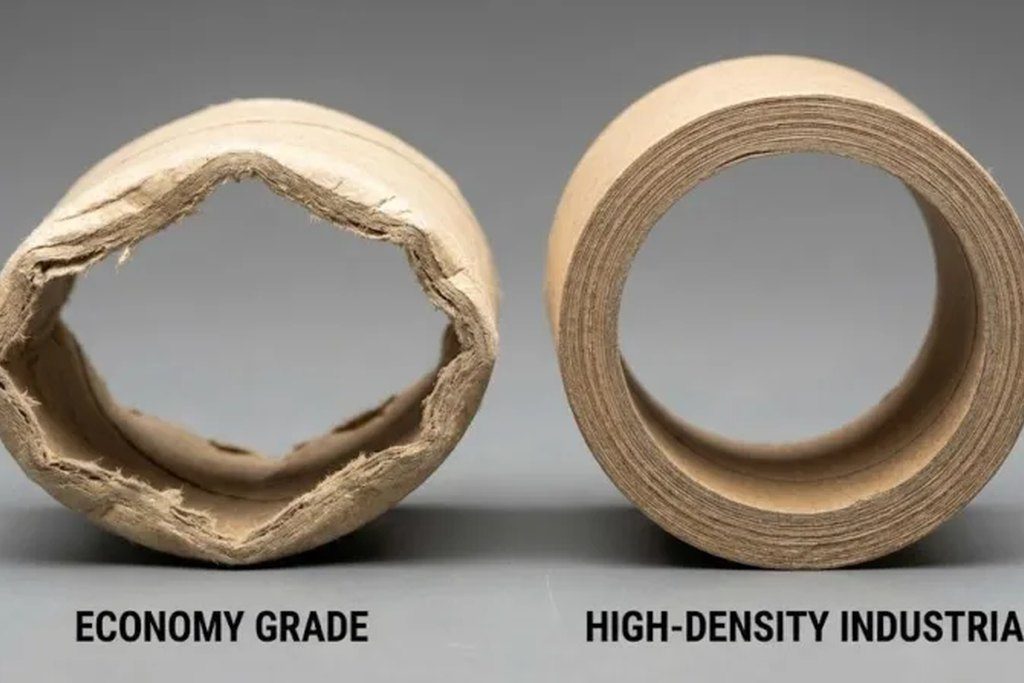
Stand the roll on end and caliper two diameters at right angles. A difference under one millimetre usually still runs. At two millimetres thin papers and films start to wrinkle. Above three, do not load it.
Check the core face as well. Frayed edges and separated plies mean the load was axial, so the damage happened in stacking or chucking rather than in transit.
Step 2: look at the chuck or air shaft
Low air pressure means the expanding lugs cannot round out the core, so even a good core becomes oval. On chuck-style machines, cones that are not concentric do the same thing.
A quick isolation: spin the bare shaft and watch for runout, then load a known-good roll and repeat. If the good roll also hops, the machine is the problem. If it runs clean, the problem came with this batch.
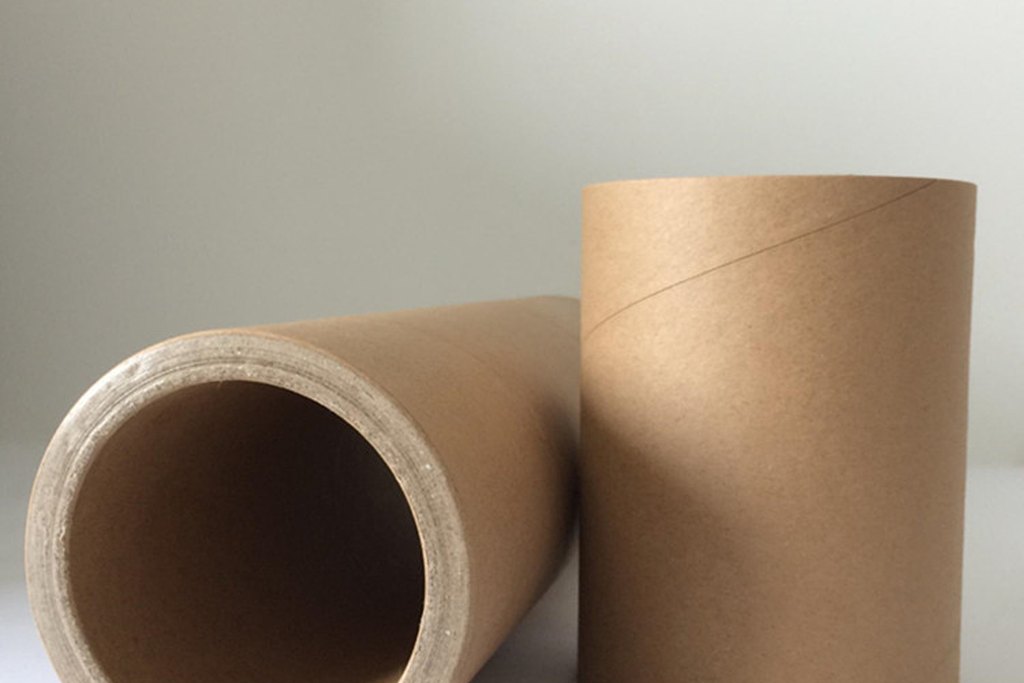
Even wall thickness is what survives a stacked pallet
Step 3: work back through storage and transport
Cardboard cores hate point loads. Six layers on a pallet put the whole stack on the bottom core, and two months in a warehouse flattens it slowly.
Transport is more common. Rolls stood on end without bracing slide into the headboard on the first hard brake. The carton looks fine and the core is already oval.
What can still be saved
First case: only the outer ten or fifteen metres are affected. Strip that off and the pulse drops noticeably.
Second case: the whole roll is out but within two millimetres. Run slower, take unwind tension down one step and switch the die station to mark-follow. Most jobs finish.
Third case: the order is large and the date is fixed. Have the converter rewind the roll into two smaller ones. A smaller diameter reduces the effect of the same ovality. There is yield loss, and it still usually beats a stopped press.
Some rolls cannot be saved. When the core face is crushed and the plies have separated, rewinding will not hold tension either. Scrap it instead of fighting it.
Stop it happening again
Add two acceptance steps: cut the wrap and caliper three cores at random, and look at the core faces for compression marks. Sign only when both pass.
Change one storage rule: stand rolls upright and never stack more than three high. If floor space is short, use racking with cores facing out so picking does not load the roll underneath.
Before shipping, add corner boards to the pallet and slip a sheet of board between rolls. Those consumables cost less than one wasted roll.