Hand Apply or Machine Apply Labels, Run the Numbers
Choosing between hand and machine labelling is not a volume question alone. Convert daily volume into labour cost, then weigh SKU count and changeover time.
In plants with a few dozen staff, labelling is often the last process anyone takes seriously. The labels themselves are cheap, but a skilled worker can only apply so many per minute, and when orders grow, the labelling bench is the first place that backs up. When to move from hand to machine is not answered by a brochure. It is answered by your own capacity arithmetic.
Convert hand application into a headcount
Hand speed depends on label size and the shape of the surface. A small label on a flat pack runs to roughly twenty per minute for an experienced operator; large labels or precision positioning drops it to a dozen. Over an eight hour day with five effective hours, one person delivers around six thousand labels, less if you deduct fetching, changeovers and breaks. Divide the daily order volume by that figure and you get the headcount labelling consumes. If it is more than one person, the arithmetic is worth continuing.
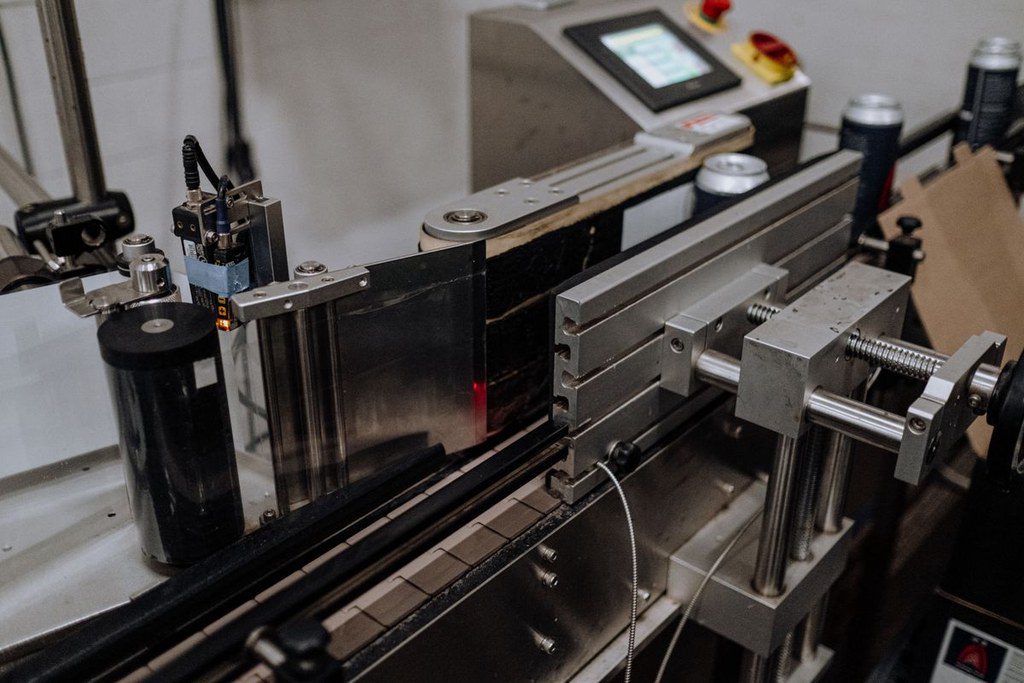
What separates semi and full automatic
A desktop semi automatic machine takes the item from the operator, dispenses and presses the label, and runs thirty to sixty a minute with one attendant. A fully automatic applicator sits in the packaging line and moves with it, so throughput follows the line, and labour drops to roll changes and spot checks. The two differ by an order of magnitude in output, and by an order of magnitude in investment and floor space. Semi automatic is a few tens of thousands of yuan; full automatic means line integration, power, air, conveyor height and sensor alignment.
Volume is not the only variable
Changeover time is routinely ignored. Hand application has none: change the label, keep sticking. A machine needs a roll change, alignment and a first article check, and a plant running many SKUs may change over a dozen times a day, eating the labour the machine saved. Fixed product lines with large batches favour machinery. Many small batches may be cheaper on semi automatic, or on hands. Floor space, power, compressed air and maintenance belong in the same review.
The order of the decision
First the labour account: daily volume divided by hand speed gives the people involved. Then the SKU account: batch size against changeover time shows the downtime share. If both support a machine, decide between semi and full automatic. Most teams start semi automatic, prove the process, then integrate the line; one step to full automation carries more risk than a staged move. When Huaishi supplies pressure sensitive labels, application method is confirmed together with the material, because winding direction, core size and stiffness all follow from the dispenser. Getting the direction wrong on hand versus machine makes the whole roll order worthless.
Consistency deserves its own line in the account. Hand application places each label individually, so position varies label to label even with careful operators. On packs destined for a scanning process, a label placed ten millimetres off may sit outside the scanner read window and fail the check, and the pack goes to rework. Machine application places every label at the same coordinates once aligned, which is why lines that scan every pack almost always end up automated regardless of volume. If your customer audits label placement, or if downstream machines read the label, build that into the decision before the labour arithmetic, because it can settle the question on its own.
One final note. Machine application is less forgiving of material variation than hand application: web tension, die cut accuracy and pitch consistency all get amplified. Before committing to equipment, run a small batch of your actual labels through the actual machine. That costs an afternoon and prevents a contract dispute.