Film and adhesive both went up: price a label in four lines
BOPP is up 7 to 9 percent this year, PET 9 to 10, ribbon raw material about 8, and adhesive is close to 45 percent of pressure-sensitive label material cost. Split the quote into four lines instead of one lump sum.
This round is not one item moving. BOPP is up 7 to 9 percent year on year, PET 9 to 10, ribbon raw material about 8 percent, and adhesive alone sits near 45 percent of pressure-sensitive label material cost. Quote all of that inside one lump sum and the increase stays with you.
Four lines moved, not one
Film went first. BOPP and PET are the two base films behind most labels and signage, and they track the petrochemical chain. Spot prices for heavy BOPP film in east China were still climbing in early November, held up by crude and polypropylene.
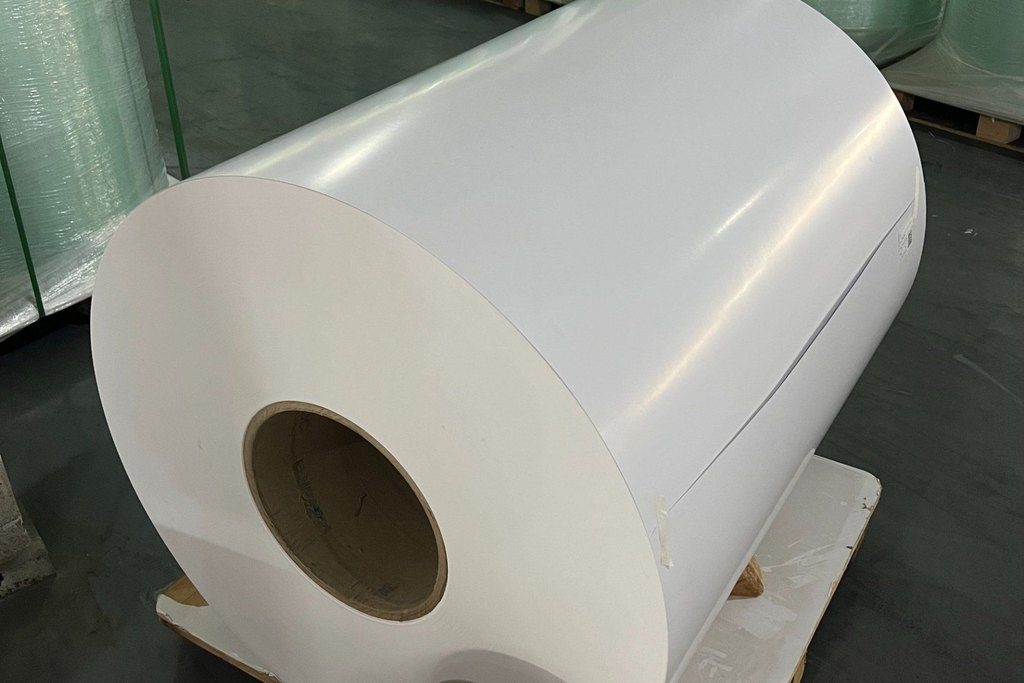
Ribbon is the quiet one. The core cost of a thermal transfer ribbon is PET base film plus a functional resin coating, and the combined raw material cost is up around 8 percent this year. Resin and coating materials have been repriced since September, some grades by 20 to 25 percent.
Adhesive carries the biggest share and gets missed most often. Pressure-sensitive adhesive is close to 45 percent of material cost. Water-based grades followed crude and acrylic, hot melt has stayed high all year, and solvent-based grades are squeezed by environmental compliance and production controls.
Face stock is the calm part. Coated paper and thermal paper barely moved. Plenty of buyers see an unchanged face stock price and assume the cost is flat, while release liner, silicone, packaging and freight all crept up.
The biggest percentage is not the biggest bill
| Cost line | Change this year | Share of label cost | How it is passed on |
|---|---|---|---|
| Base film (BOPP / PET) | 7% to 10% | 30% to 45% on film labels | Per tonne, adjusted monthly |
| Thermal transfer ribbon | About 8% overall, resin coating 20% to 25% | 12% to 20% on thermal transfer work | Per roll, usually twice a year |
| Adhesive | Up, varying by chemistry | Close to 45% of material cost | Bundled into material price, easily missed |
| Release liner, silicone, packaging, freight | Small but steady | 8% to 15% combined | Per batch, depends on distance |
Those shares are experience ranges. Formulations and volumes vary enough that every quote needs its own numbers.
Three jobs, three different increases
Case one is a standard coated paper label, 100 by 80 mm, ten thousand at a time. Paper is flat, so the increase comes from adhesive and ancillaries. A few cents per thousand labels, a few hundred yuan on the batch. Most buyers absorb that.
Case two is PET or PE for outdoor or wash-down use. Film dominates the cost, and PET is up 9 to 10 percent, passed through almost in full. This batch rises roughly twice as much as paper work and needs to be quoted on its own line.
Case three is thermal transfer with a resin ribbon and a small QR code. Film and ribbon both moved, and ribbon consumption tracks ink coverage, so heavy dark solids feel it more. Mix all three into one average and case one ends up paying for case three.
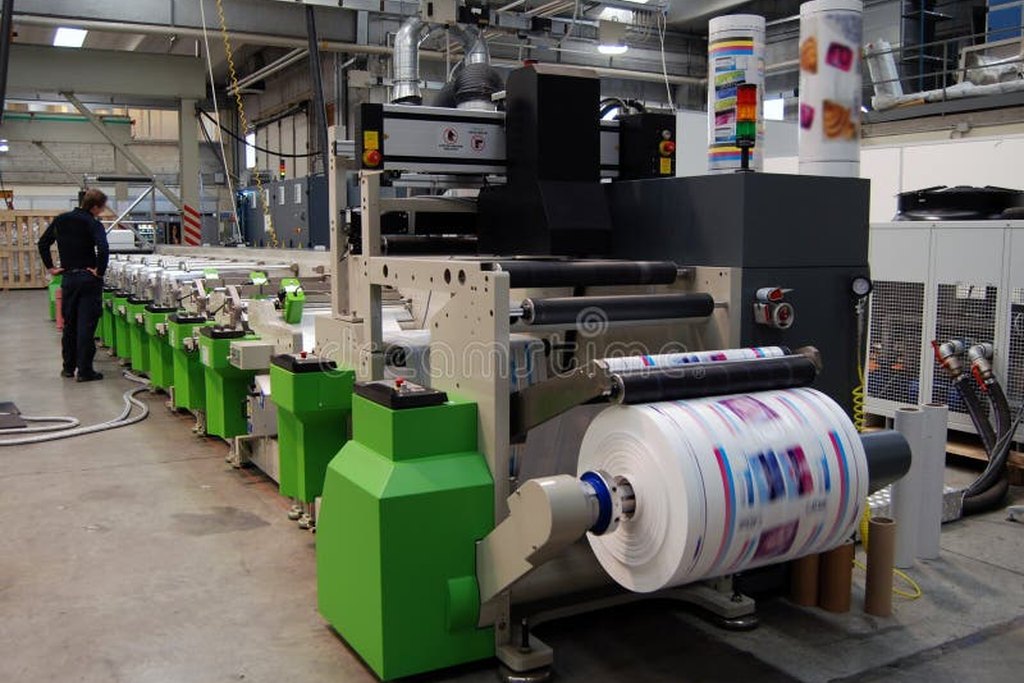
Ink is the line buyers forget when comparing prices
Where the line sits
Changing a construction means new samples and new machine settings, and that is not free. Two thresholds work for us.
Under 5 percent, leave the construction alone. Trial cost outweighs the increase, and locking volume beats locking price.
Above 10 percent, and where that material is over 30 percent of cost, compare alternatives properly. On film, check whether a thinner gauge works, and whether the adhesive chemistry can be matched to the surface instead of simply buying the cheapest option. Thinner film changes stiffness and applicator settings, so sample first.
One thing never to trade: a construction the customer has already validated. Re-running applicator settings costs more than the material saving, every time.
How to split the quote
Step 1, list four lines: base material, ribbon or coating, adhesive, ancillaries and freight. Give each a share.
Step 2, state the unit. Film by tonne or by square metre, ribbon by roll or by metre. Without a unit there is nothing to index against.
Step 3, add an adjustment clause, reviewed quarterly or half-yearly against published market data.
Step 4, lock volume, not price. Agree next year's regular volumes before December, leave price floating, and fix the lead time.
Step 5, quote short runs separately. Frequent changeovers and urgent delivery carry real setup cost, and burying that in a bulk average loses money.
Upstream is moving across several categories at once. The room to squeeze suppliers is narrowing, and a cost sheet that holds up is worth more than another round of haggling. Self-adhesive label work has seen price cycles every year; the shops that can explain their four lines are the ones customers keep.