

One missing barcode on a label: why regulators called it a defect
A supermarket pack of sweet corn went out without a barcode. Inspectors called it a label defect, ordered a correction and the complaint was thrown out on review. What separates a defect from a violation, and what converters should check.
A pack of sweet corn skewers reached the shelf without a barcode printed on the outer wrap. A complaint, an inspection and an administrative review later, the finding was a label defect with an order to correct it, not a fine. For anyone printing pressure-sensitive labels, the useful part is where the line sits: one missing item does not automatically make a pack illegal.
How the case started
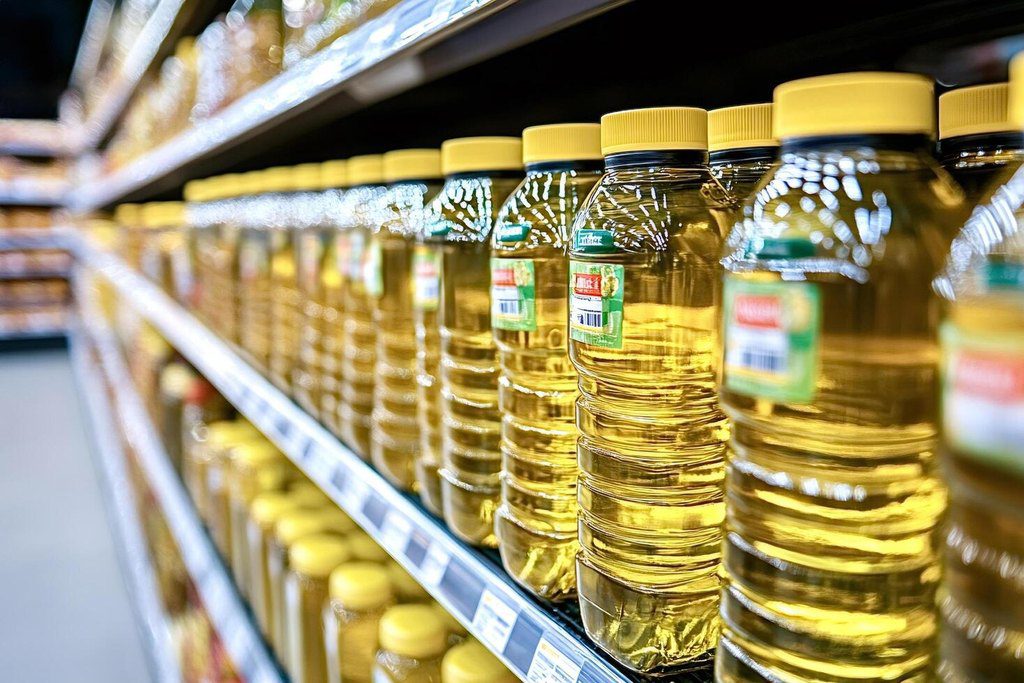
In August 2025 a complainant told the Muling branch of the Mudanjiang market regulator that a supermarket was selling sweet corn skewers with no barcode on the outer pack. Officers went to the store. The product was still on sale.
What the inspectors checked first
The record shows an order: whether the product was on sale, the purchase records, and the supplier's qualification documents.
With all three in place, the goods were traceable and the store had done its incoming checks. That is why the finding landed on a label defect, handled under the administrative penalty law with an order to correct within a deadline and a written reply to the complainant. No fine.
Source first, marking second. The same missing barcode on goods of unknown origin would have taken a different route.
Why it stayed a defect
Two tests decide it: does the problem affect food safety, and would it mislead a buyer.
A missing retail barcode fails neither test. A missing production date or shelf-life date, or an ingredient list printed in the wrong order, changes the answer, because it sends the buyer somewhere wrong.
The complainant was not satisfied and applied for administrative review in April 2026. The review body pulled the complaint history: 1,829 complaints and 2,163 reports since the 12315 platform went live, 25 complaints and 25 reports in Muling alone during 2025, and six separate reports filed over six products bought in one visit to one store, each claiming punitive damages.
The review was dismissed for lack of standing. For a converter, the lesson is not about the complainant. It is about how a regulator tells an incomplete label from a wrong one.
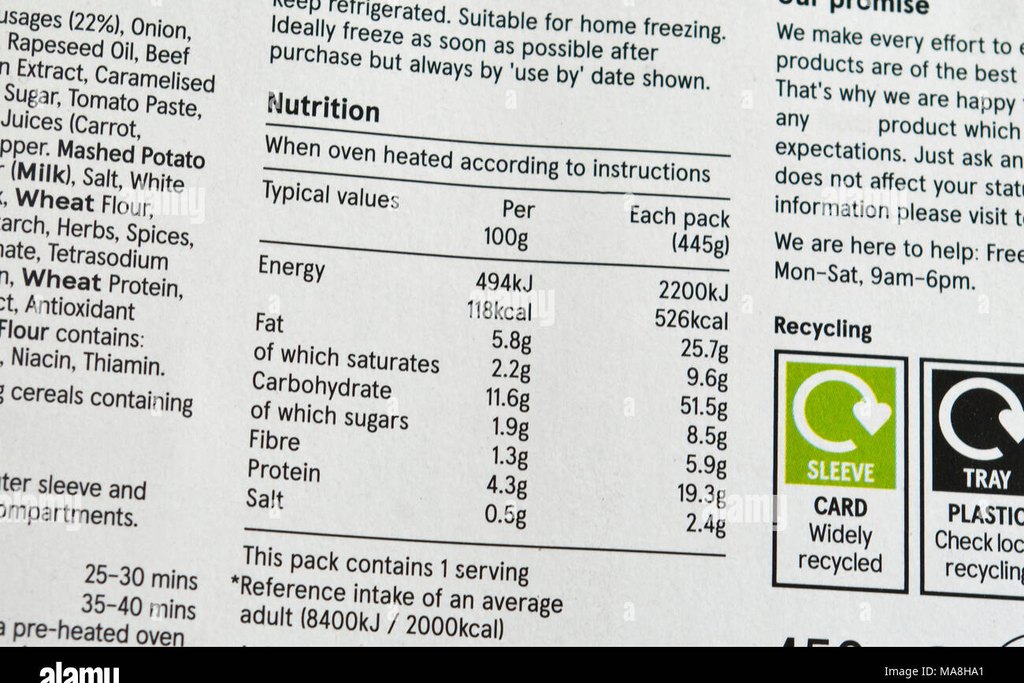
Every mandatory item crowds onto this one panel, so revise them in a single pass
Who owns the mistake
The brand owner applies for the barcode number. The printer does not invent it. When one goes missing, three parties usually share the blame.
| Party | What they owe | Where it breaks |
|---|---|---|
| Brand owner | Number range and written authorisation | New SKUs launch faster than the number allocation |
| Prepress | Sized and quiet zone per GB 12904 | Scaled down until it will not scan, quiet zone trimmed |
| Converter | First-off check of number and readability | Old artwork reused after a plate change |
The converter can only control the last row. Skip the first-off check and the whole run repeats the error.
While the artwork is open anyway
Fix the small things in the same pass:
- Place and size the barcode by the actual panel area, not by what fits on a curved face.
- Give production and shelf-life dates their own block, at least 3.0 mm type, 2.0 mm on packs under 35 cm².
- For contract manufacturing, print both the commissioning and the producing company name and address.
- If a QR code carries label information, every mandatory item still has to appear on the printed label.
The third item breaks most often when a supplier changes. The new printer inherits the old artwork and keeps the old name.
In this trade the problems that get picked up are rarely about press work. They are about information that never got aligned. Number range, names and addresses, date block: check all three at every revision and the argument never starts.