

What Changed When Parcel Labels Went Single-Ply
Carbonless multi-part forms gave way to one thermal label. The coating, the print settings and the liner waste all moved with it.
Shipping a parcel used to mean filling in a multi-part form. Carbonless copy paper carried the pressure of a dot-matrix pin through several sheets, leaving a copy for the sender, the carrier and the recipient. Today most warehouses peel one printed white label and press it onto the carton. The sheet got thinner, but the material, the printing process and even the waste stream all changed with it.
Two different ways of making a mark
Carbonless paper relies on microcapsules in the coating. A print pin breaks them, a colour former meets a developer, and a character appears. Thermal labels work by heat instead. Two components in the coating react when the printhead warms a dot, so a thermal printer in direct mode needs no ribbon at all. Optical density depends on the energy delivered and on how long each dot stays under the head, which means a new paper grade with a different sensitivity will print lighter or darker on the same machine with the same settings.
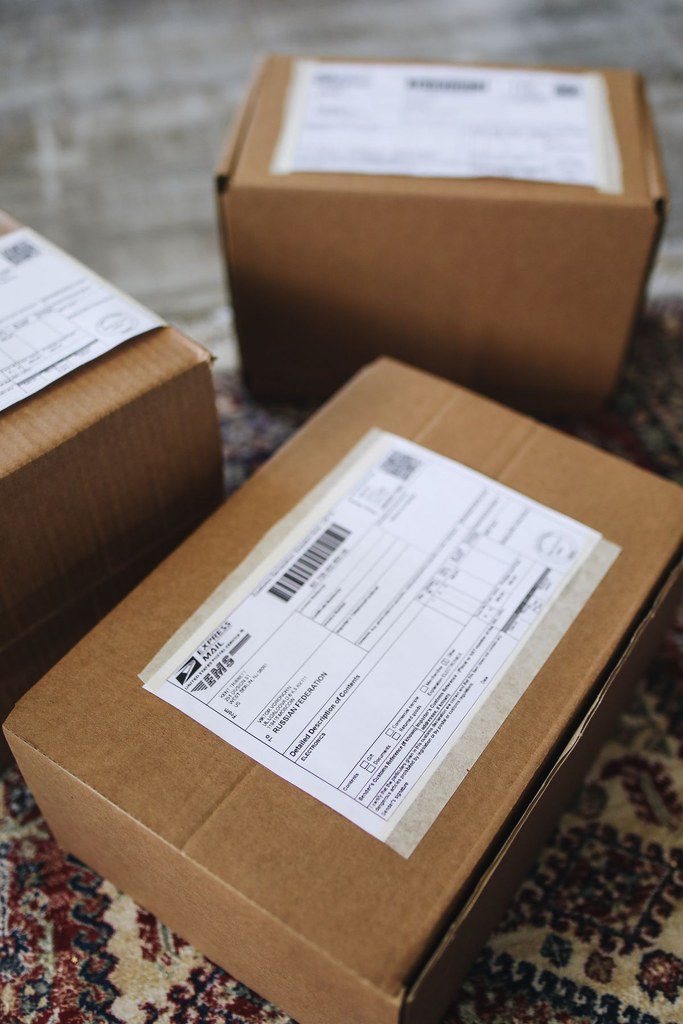
A parcel label also has to survive abrasion, sunlight and the occasional splash. Uncoated thermal paper of the kind used in receipt printers can grey out after a few days in a delivery van, and the barcode stops reading. Label stock usually carries a top coat that resists scuffing and light moisture. That protection lowers sensitivity, so the printer has to supply more energy to reach the same black.
Recalibrating the print settings
Temperature, speed and head pressure are the three settings that cause trouble after a supplier change. Too little energy gives pale characters and weak bar edges. Too much spreads the ink into the narrow spaces, and a scanner starts to hesitate. Raise the speed and each dot gets less dwell time, so the energy setting has to rise with it. In an unheated warehouse in winter, the paper starts colder and prints lighter on settings that were fine in August. Complaints about faint labels tend to cluster in late autumn for exactly this reason.
Maintenance changed too. In direct thermal printing the head runs against the paper, so dust, coating powder and cardboard fibres grind across it all day. A dot-matrix machine had a ribbon in between. Lines that run thermal labels should schedule cleaning of the head and platen roller with a lint-free cloth or a dedicated pen, and avoid solvent wipes that can attack some coatings. A fixed white line down the label is usually one blocked or burnt-out heating element. If it survives a clean, the head is due for replacement.
Three things a form never needed
Turning a form into a label adds a liner, an adhesive and a die-cut. Corrugated board is rough and dusty, and recycled board has inconsistent surface energy, so the adhesive needs high initial tack. A label can look flat at application and lift at the corners overnight. The release liner has to peel cleanly at speed, or the label follows the liner instead of the box. Die-cut edges must be clean, since incomplete waste removal leaves a tab that catches inside the printer and jams the run.
Warm weather brings its own failure. In a hot delivery van or a loading canopy, adhesive can bleed at the roll edge and glue adjacent labels together, so pulling one drags the next. Storage conditions, whether rolls stand on end or lie flat, and how long an opened pack sits on the shelf matter as much as the adhesive grade.
What the single ply saved, and what it did not
The copy sheets are gone. The liner is not. Every applied label leaves a glassine backing that still goes into the bin, and a busy hub fills several sacks a day. Linerless stock has spread quickly in weighing and retail price labelling, where the printer cuts each label to length. Parcel labels need a fixed size, high-speed application and reliable scanning, so that switch has been slower and depends on retrofitting cutters and applicators.
Three checks before changing stock
Print a sample and measure the barcode grade. Apply labels to real cartons and check the corners after twenty-four hours. Then run one full roll on the actual line and watch for breaks and lifted labels. When we specify stock for e-commerce customers at HuaiLion, the paper grade, head energy and speed go onto the same process card, and a new batch only needs a recheck of density and release force. Settings should follow the paper. If a whole run prints pale, check the batch and the room temperature before touching the printer, because reversing that order condemns good stock.